Last updated November 18, 2026
ADU Emergency Preparedness Guide for Enterprise Homes
Most homeowners in Enterprise think about their ADU in exactly two moments: the day the contractor breaks ground, and the day they hand over the keys. Almost nobody thinks about the day the power goes out for eleven hours in August and the tenant in the backyard unit has no way to tell whether the panel tripped or a transformer blew. Backup power, storm-water grading, and emergency access get skipped in the planning phase because they feel boring next to floor plans and finish packages. They aren’t boring when they matter. This guide covers how to make an Enterprise ADU genuinely disaster-ready: power backups that work, water that drains away from the structure, access a first responder can actually use, and the paperwork you need in one place before an HOA or utility ever asks. We’ve walked through enough Enterprise units to know how the failure points shake out in our desert climate.
Quick Answer
A disaster-ready ADU in Enterprise needs four things: an independent backup power route (a small battery system or generator hookup sized to the critical loads), site grading that pushes storm runoff away from the structure rather than toward it, a labeled main shutoff and clearly marked electrical panel that anyone can find, and an emergency binder with permits, warranties, and utility contacts stored both physically and digitally. Solar and battery backups are common in Enterprise for detached units because the sun is reliable and the grid hiccups during monsoon season. The goal isn’t to survive a month without civilization; it’s to keep a family in a backyard unit safe and functional for the two to three days a serious outage or storm usually lasts.
Table of Contents
- Why Enterprise ADUs Face Specific Emergency Risks
- Backup Power: Battery vs. Generator for a Detached Unit
- Water and Heat: The Two Silent Problems
- Storm Drainage and Grading Around Your ADU
- Emergency Access and Address Marking
- The Emergency Binder: Permits, Warranty, and Contacts
- The Tenant Emergency Protocol
- The Five-Minute Seasonal System Check
Why Enterprise ADUs Face Specific Emergency Risks
Enterprise is not Phoenix in every way, and that matters for how you plan. The valley runs hotter and drier on the southern edge, but summer monsoon cells dump two inches of rain in under an hour onto ground that has spent months baking hard. That hard, hydrophobic soil is why we see actual erosion scars around ADU slabs that were graded a little too flat. Water that can’t soak in runs downhill fast and finds the lowest point – usually the flat pad you poured for a shed or the crawlspace ventilator on a detached unit.
The second risk is heat. A 110°F afternoon inside a detached ADU with the AC failed is not an inconvenience over three days, it’s a medical emergency, especially for elderly family members using the unit as a casita. Battery systems and generator hookups in Enterprise get specified with a lower power priority for heating but a real, sized load for cooling. Cooling is not optional equipment here.
Third: grid reliability. Enterprise sits at the edge of a growing grid in an older utility service area. Summer outages are short, usually a few hours, but monsoon storms and wildfire-season pre-emptive shutoffs can stretch them longer during certain months. A unit that shares one meter with the main house means a main-house electrical fault can knock out a family member in the backyard. That single-meter dependency is the most overlooked emergency-design flaw we see in Enterprise.
Backup Power: Battery vs. Generator for a Detached Unit
Two real options for an Enterprise ADU: a dedicated battery system or a transfer-switch generator hookup. Choose based on how long you need power and how much noise you want to hear in your backyard.
Battery systems. A lithium backup sized for one bedroom-sized ADU typically runs a refrigerator, a few LED lights, internet, phone chargers, and above all a small air conditioner for roughly half a day to a day, depending on load. Lithium batteries are quiet, emit nothing, and are generally maintenance-free. Brands like Tuff Shed structures show the same principle we apply to power: pre-engineered components made off-site and assembled quickly. The trade-off is upfront cost and a finite run time.
Generators. A portable or standby generator with a properly installed transfer switch and outdoor connection point (into the unit’s panel) gives unlimited run time while you keep topping up the fuel. Standby units are generally the choice for long outages; portable units are cheaper but require safe outdoor placement, a heavy-duty cord rated for the load, and never, ever interior operation.
- Define your critical loads first; list exactly what the ADU needs to remain live for 48 hours.
- Ask an electrician to size a backup system to that list, not to the whole panel.
- Choose battery for quiet, hands-off, short outages; choose a generator for extended, uncertain duration outages.
- Install a labeled, outdoor access point so nobody is running extension cords through doorways.
- Test the system under load once before anyone occupies the unit.
Never run a generator indoors, inside a garage attached to the unit, or within a few feet of a window or door vent. That is a carbon monoxide risk and has killed people in backyard structures across the Southwest. For electrical panel work itself, call a licensed electrician – this is one of the few genuinely life-or-death components in any build.
Water and Heat: The Two Silent Problems
Water and heat failures don’t announce themselves the way a power outage does. They’re what you find three weeks later, when the drywall has a soft spot or the tenant reports a headache from a broken AC. The protective moves here are basic but almost never done on an ADU:
- Identify and label the ADU water shutoff. Detached units should have their own shutoff valve, and everyone in the household should know where it lives. A burst flex line in a wall is a $400 repair or a $9,000 repair depending on how fast you find the valve.
- Install a leak sensor under the water heater and next to the washer. Cheap, battery-powered sensors that sound an alarm or ping your phone are the highest-ROI emergency device in the whole building. Water heaters fail overnight; sensors catch the leak before the subfloor saturates.
- Know the AC breaker and the thermostat. Label the panel so a guest or family member can find the AC circuit in the dark. If the unit’s cooling fails mid-summer, that’s a same-day call, not a tomorrow-morning call.
- Keep a small extinguisher in the unit. Kitchen fires are the most common home fire, and a detached ADU is just as vulnerable as the main house. A 2-A:10-B:C extinguisher mounted near the entry and one in the kitchen is standard practice.
- Insulate the water heater lines. Even in Enterprise, winter nights get cold enough to stress exterior plumbing, and foam wrapping is a five-minute job that prevents a winter failure.
These are pre-emptive, not heroic. The point is that the ADU should tell you when something’s wrong before you have to find out by looking at a stained ceiling.
Storm Drainage and Grading Around Your ADU
This is the one section most ADU owners skip, and it’s the section we wish they wouldn’t. In an Enterprise monsoon, the ground is already saturated within the first ten minutes and everything after that is sheet flow. If your ADU pad is graded dead flat, or worse, graded toward the structure, that water pools against the wall base and finds its way in.
Check three things on your existing build or review them before signing off on a new one:
- Positive fall away from the slab. The grade should drop roughly two percent or more for the first several feet away from the ADU on every side. There should be no low spots hugging the foundation.
- Downspout discharge points. Roof gutters should empty onto splash blocks or extensions that push water several feet from the base, not straight down the siding.
- Swales or dry wells. Where the lot can’t drain to a street, a shallow swale or a gravel-filled dry well intercepts sheet flow before it reaches the structure. Verify it’s clear before storm season.
If water is currently pooling against an existing ADU wall, that’s a call-a-contractor situation, not a wait-and-see. Water intrusion into a wood-framed unit is a slow-motion structural problem.
Emergency Access and Address Marking
First responders need to find your ADU under pressure. In a backyard emergency, precious seconds are lost when an address isn’t visible, when the unit door is unmarked, or when a gate is bolted shut.
- Number the ADU clearly. Post the address on the ADU itself, and add a small “ADU” or unit number sign at the shared gate or main house if the unit sits behind the primary home.
- Keep the path to the ADU clear. A back-yard ADU accessed through a narrow side gate should have a clear walkable route no matter the season. No stored construction materials, no trash bins blocking the way.
- Give the gate a fire-department-friendly lock. A keyed gate can stop an emergency response cold. Where the code allows, use a lockbox with a code filed with the fire department, or an accessible side door.
- Post the electrical panel. The ADU sub-panel should have its breakers labeled in plain terms: “AC,” “Water Heater,” “Bedroom Outlets.” Clear labeling lets a non-electrician kill power to the whole unit in seconds.
- Photograph your access route and labeling. Keep these photos in the emergency binder. If you rent the unit to a family member or tenant, they should have the same access map.
The Emergency Binder: Permits, Warranty, and Contacts
An ADU that has a built-in documented emergency plan is worth more than one that doesn’t, both for safety and for eventual resale. Assemble one physical binder and one digital folder, and update both when anything changes.
A complete ADU emergency binder contains:
- Every permit and inspection sign-off. The final building permit and certificate of occupancy for the ADU; the electrical and plumbing final inspection records. First responders and insurance adjusters both want these.
- Proof of contractor warranty in writing. Every Benson ADU Builders project carries a written price before any work starts and the 365-Day Done Right Promise across the whole job. Keep the signed paperwork and the guarantee in this binder.
- Manufacturer documentation. Product manuals for the water heater, HVAC, battery or generator backup, and anything installed in the unit. If your ADU was built with James Hardie cladding, the finish-care guide goes in here too.
- Emergency contact sheet. The local electrician, plumber, HVAC contractor, and roof professional – not the general contractor, the specific trades who show up. Add the utility outage number and the local fire department’s non-emergency line.
- A simple floor plan. One page, hand-drawn is fine, showing where the main water shutoff, electrical panel, and gas shutoff valve live.
Store a digital copy of the whole binder in a cloud folder, and hand a printed copy to whoever lives in the unit. If an ADU tenant can find the water shutoff, you may not even get the 2 a.m. phone call.
The Tenant Emergency Protocol
If your ADU houses a tenant, whether paying or family, a written emergency protocol is the difference between a crisis handled in ten minutes and a crisis handled in a day. Keep it one page, keep it visible on the inside of a kitchen cabinet door, and update it when anything changes.
- State the three shutoff locations in plain language: main water, electrical panel, gas valve if the unit has one.
- List the fire exits from the unit and the meeting point outside.
- Give the emergency numbers in priority order: 911 first, then the local utility outage line, then the landlord contact.
- Describe what to do for each of the three most likely incidents in your specific unit: AC failure in summer, water leak, power outage.
- Add a note about what the tenant should never do: never open the electrical panel, never run a generator indoors, never try to relight a pilot light.
Review the protocol at move-in, again at the first summer heat wave, and again before monsoon season. It’s a five-minute walkthrough that pays off on a bad night.
The Five-Minute Seasonal System Check
Year-round reliability is mostly about doing a short list of things two or three times a year. Here’s the sequence we recommend for an Enterprise ADU, timed for the start of summer and the start of storm season:
- Test the battery or generator. Run it under load for ten minutes. Confirm what it actually powers.
- Confirm every shutoff turns. A valve that hasn’t moved in a year may be frozen when you actually need it.
- Walk the drainage path. Check the grade away from the slab, the downspout discharge, and any dry well for debris.
- Check the smoke and CO detectors. They have test buttons for a reason.
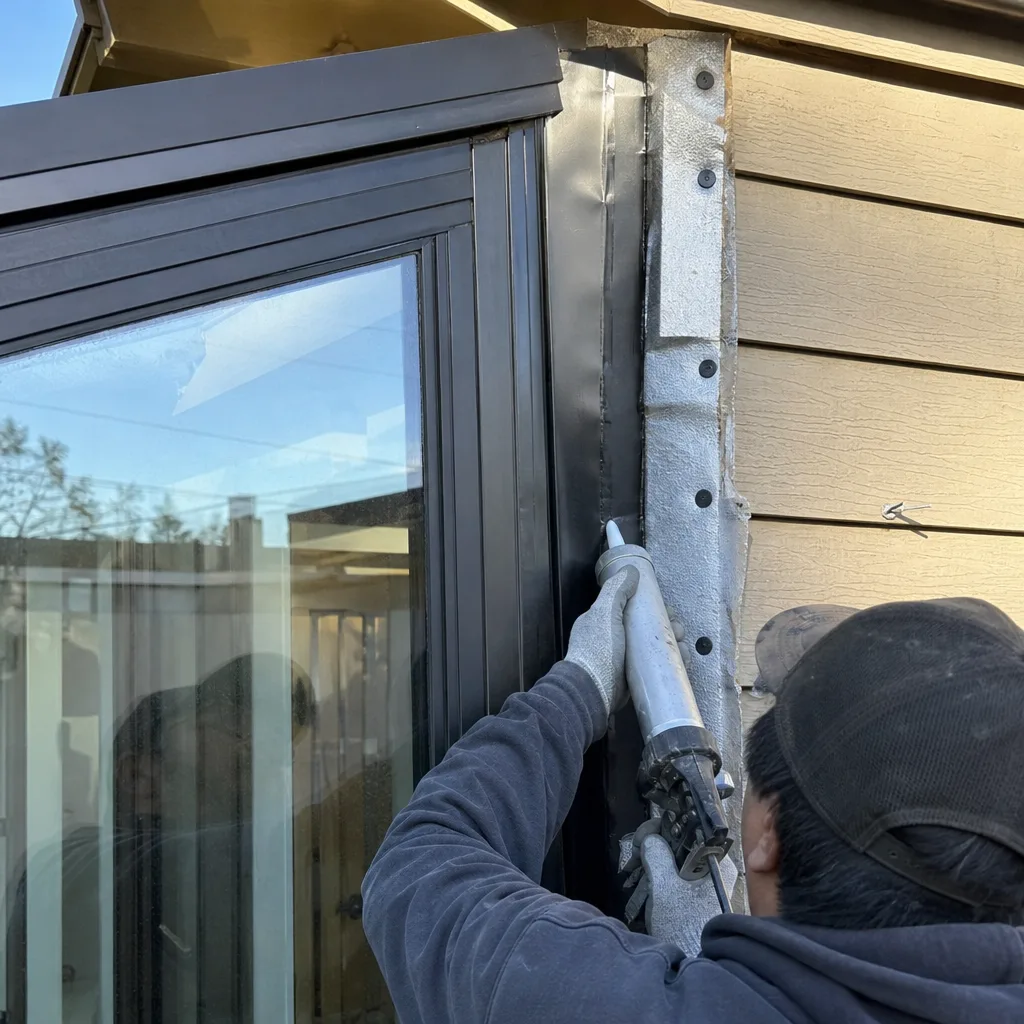
- Visually inspect the roof-to-wall transition and any deck edges for caulk failure or stain rings that signal intrusion.
- Review the emergency binder for stale contacts and update the tenant protocol if anything changed.
Five minutes now, on a mild afternoon, beats an emergency call at midnight. If your unit was built by us or by any contractor, put two calendar reminders in your phone – May and August – and the rest takes care of itself.
Common Mistakes to Avoid
- Skipping the separate water shutoff. A detached ADU sharing one water line with the main house means a leak in the unit floods the whole property until someone finds the main valve. Install and label a dedicated shutoff for the ADU.
- Grading the pad flat. In an Enterprise monsoon, flat means pooling. Ask the builder to confirm the positive fall away from the slab in writing before they pour.
- Running a generator in the garage. Carbon monoxide poisoning is the leading cause of generator-related deaths in the Southwest. Generators belong outdoors, several feet from any window, vent, or door.
- Storing the warranty in a drawer nobody knows about. If the 365-Day Done Right Promise paperwork is buried in a file cabinet, it does nothing for the day something fails.
- Forgetting the address sign on the ADU. Backyard units are invisible from the street. A visible “ADU” plate at the gate saves first responders real time.
- Assuming the tenant knows how the toilet shutoff works. They don’t. Walk them through it at move-in.
- Zero backup power for cooling. In this climate, an AC failure in July is a real safety issue, not a comfort one. Size backup for cooling, not just lights.
When to Call a Professional
Some of this list you can handle yourself. Some of it needs a licensed trade. Call a professional for electrical panel work, anyone installing a transfer switch or tying a backup system into the ADU’s main panel, water intrusion that has already stained drywall or compromised a wall, roof damage that leaves the interior exposed, and any gas line concern in a unit that has one. Those are the five scenarios where a mistake is genuinely dangerous, and no homeowner should be diagnosing them from a YouTube video. Our technicians have up to 20 years of experience with exactly these failure modes. Benson ADU Builders Enterprise home offers free estimates in Enterprise – call (844) 980-0541 to schedule one. A written price comes before any work starts, and the 365-Day Done Right Promise rides every covered job.
Frequently Asked Questions
A labeled dedicated water shutoff, a leak sensor under the water heater, a working smoke and CO detector, a small fire extinguisher, and a one-page emergency binder with permits and warranty paperwork. That’s the floor. Backup power for cooling is the next priority in our climate; the sun and a small battery setup can keep an elderly family member safe in the ADU during a summer outage.
Neither is legally required for a detached ADU in most cases, but one of the two is strongly recommended in Enterprise because summer outages and monsoon storms can stretch long enough to make a unit unlivable. Choose a battery for quiet, hands-off, short outages and a generator for extended duration outages. Size it to your critical loads, not the whole panel, and call (844) 980-0541 for a free estimate on a backup power design.
Yes, but it’s the wrong setup for safety. A shared meter means a single electrical fault can knock out power to the whole property, and a family member in the ADU is on the wrong side of the failure. Ask an electrician to separate the ADU onto its own meter or at minimum its own sub-panel with a labeled shutoff. Call (844) 980-0541 for a free estimate on the electrical review.
Once before anyone occupies the unit, then twice a year under load – put it in your calendar for May and August, ahead of peak heat and storm season. A battery that hasn’t been load-tested may be sitting at 20% capacity without warning, and a generator that hasn’t run since last summer may not start when you need it most.
Every permit and inspection sign-off, the certificate of occupancy, manufacturer manuals for HVAC, water heater, and any backup system, your written contractor warranty and 365-Day Done Right Promise paperwork, and a short contact list of the specific local trades – electrician, plumber, HVAC, roofer – plus the utility outage line. Keep a digital copy in the cloud and a printed copy inside the unit.
Not quite. Our winters are mild enough that a well-insulated ADU stays habitable through a short outage without backup heat. Summer cooling is the life-safety variable here: a 110°F afternoon in a unit with a failed AC is the emergency we design against. If your unit holds a family member with health risks, oversize the backup to cover the AC and don’t regret the spend.
The Bottom Line
An Enterprise ADU that is genuinely emergency-ready isn’t complex: separate and clearly label the water and power shutoffs, grade the pad so monsoon water runs away from the structure, keep a small backup power system sized for cooling, and store every permit, warranty, and contact in a binder both you and the tenant can find. The 365-Day Done Right Promise and a written price before work starts are what separates a builder who will honor a repair call from one who disappears after the walkthrough. Whether you’re planning a new ADU or hardening an existing one, our team can walk the property and put a real price in writing. Call (844) 980-0541 for a free estimate and a written plan – you’ll know exactly what the fix costs before anyone picks up a tool.
Written by the team at Benson ADU Builders Enterprise.