Last updated November 18, 2026
Choosing the Right ADU Brand: A Buyer’s Guide for Enterprise
A prefab ADU brand that ships beautifully in coastal California may arrive in Enterprise with a thermal envelope rated for humid conditions rather than desert heat. Your energy bills then run higher than the manufacturer’s estimate from day one, and nobody made an obvious mistake. That gap between a brand’s home-market performance and how its units behave in Enterprise is the single most expensive thing buyers miss. This guide shows you how to judge Abodu, Cover, Dvele, Mighty Buildings, Boxabl, Plant Prefab, and Tuff Shed on the criteria that actually matter in Enterprise: heat loads, wind and seismic ratings, and whether a module can physically reach your lot.
Quick Answer
The best ADU brand for Enterprise is the one whose factory thermal specs match IECC climate zone 2B, whose structural rating clears Clark County wind and seismic requirements, and whose module dimensions can reach your lot without a crane blocking the street. That combination, not showroom styling, is what decides which of the eight major brands fits your property. Brands that publish zone-2B-ready envelopes and offer James Hardie cladding upgrades are the safest shortlist starting point.
Table of Contents
- Why a Desert Job Site Rewrites the Brand Comparison
- What IECC Climate Zone 2B Means for Your ADU Insulation
- The Three Desert Criteria: Heat, Structure, Delivery
- Brand by Brand: How the Eight Names Compare
- Lead Times to a Delivery-Ready Lot in Enterprise in 2026
- Cladding That Survives Enterprise Summers
- The Three-Question Framework to Get From Eight Brands to Two
Why a Desert Job Site Rewrites the Brand Comparison
In our experience working with ADU clients in Enterprise, the brand conversation starts in the wrong place. Buyers compare floor plans and finish palettes. Fair enough, those are the parts you can see. But a prefab ADU is a factory-built assembly joined to a site in Enterprise, and the assembly is only as good as the conditions it was designed against. A unit engineered for a mild coastal climate can meet every code requirement on paper and still underperform badly through a Enterprise July.
Three things make Enterprise unforgiving:
- Peak heat load. Afternoon temperatures in Enterprise push well past 110°F, and a small structure has a lot of envelope relative to its floor area. Insulation and glazing specs that look generous on a large house are thin on 600 square feet.
- Wind and seismic bracing. Clark County sites carry seismic design requirements plus wind uplift loads. A prefab unit’s tie-down and shear strategy has to be engineered for the site, not just the factory floor.
- Delivery geometry. Modules are wide. Enterprise residential streets, cul-de-sacs, and gated entries vary a lot in turning radius and overhead clearance. A brand whose standard module is too wide for your street means a crane setup, a road closure, or a switch to a panelized product.
None of this is exotic. It’s just rarely spelled out before a deposit goes down. A brand can be excellent and still be the wrong brand for your street in Enterprise.
What IECC Climate Zone 2B Means for Your ADU Insulation
Climate zone 2B is the hot-dry classification under the International Energy Conservation Code, and it’s the reference point every ADU brand should be asked about directly. Zone 2B is not zone 3, and the difference is exactly where cheap thermal packages fall apart. Zone 3 leans warmer on humidity and milder on peak heat; zone 2B asks for an envelope that keeps intense, dry daytime heat out and holds cooled air in overnight.
What that means for your spec sheet, in plain terms:
- Walls. Ask for the factory R-value and whether it’s the standard package or an upgraded one. A brand that ships one envelope nationwide usually ships for the mildest climate it serves.
- Roof. This is the single biggest heat path in a Enterprise ADU. A radiant barrier or a cool-roof assembly matters more here than in almost any other market.
- Windows. Dual-pane low-e glazing is the floor, not the ceiling. Ask about the solar heat gain coefficient, not just “energy efficient glass.”
- Air sealing. A prefab panel system usually seals better than site-built framing. Confirm that, don’t assume it.
Some brands ship a 2B-ready envelope as standard. Others require an upgraded package that adds to the base price. Ask the question in writing, get the R-values in writing, and put those numbers next to the manufacturer’s energy estimate. That’s how a buyer spots the gap before signing. When you’re ready to compare those specs on your actual lot, the ADU Builders in Enterprise team can walk the numbers with you.
The Three Desert Criteria: Heat, Structure, Delivery
Score every brand on these three axes and the shortlist sorts itself. We use them on every Enterprise project before we recommend a product.
1. Thermal performance at sustained 110°F+
Ask for envelope R-values, roof assembly, glazing SHGC, and whether the 2B package is standard or an add-on. A brand can pass code and still leave you with a hot box in August. Compare energy estimates only when every brand’s envelope is normalized to the same zone.
2. Structural rating for Clark County
You want the engineering for seismic bracing and wind uplift confirmed for the site, not just the factory. Ask who stamps the site-specific foundation and tie-down design, and confirm the report matches Clark County plan-check expectations. A brand with no local engineering pathway creates delay cycles you pay for.
3. Delivery feasibility on a real lot
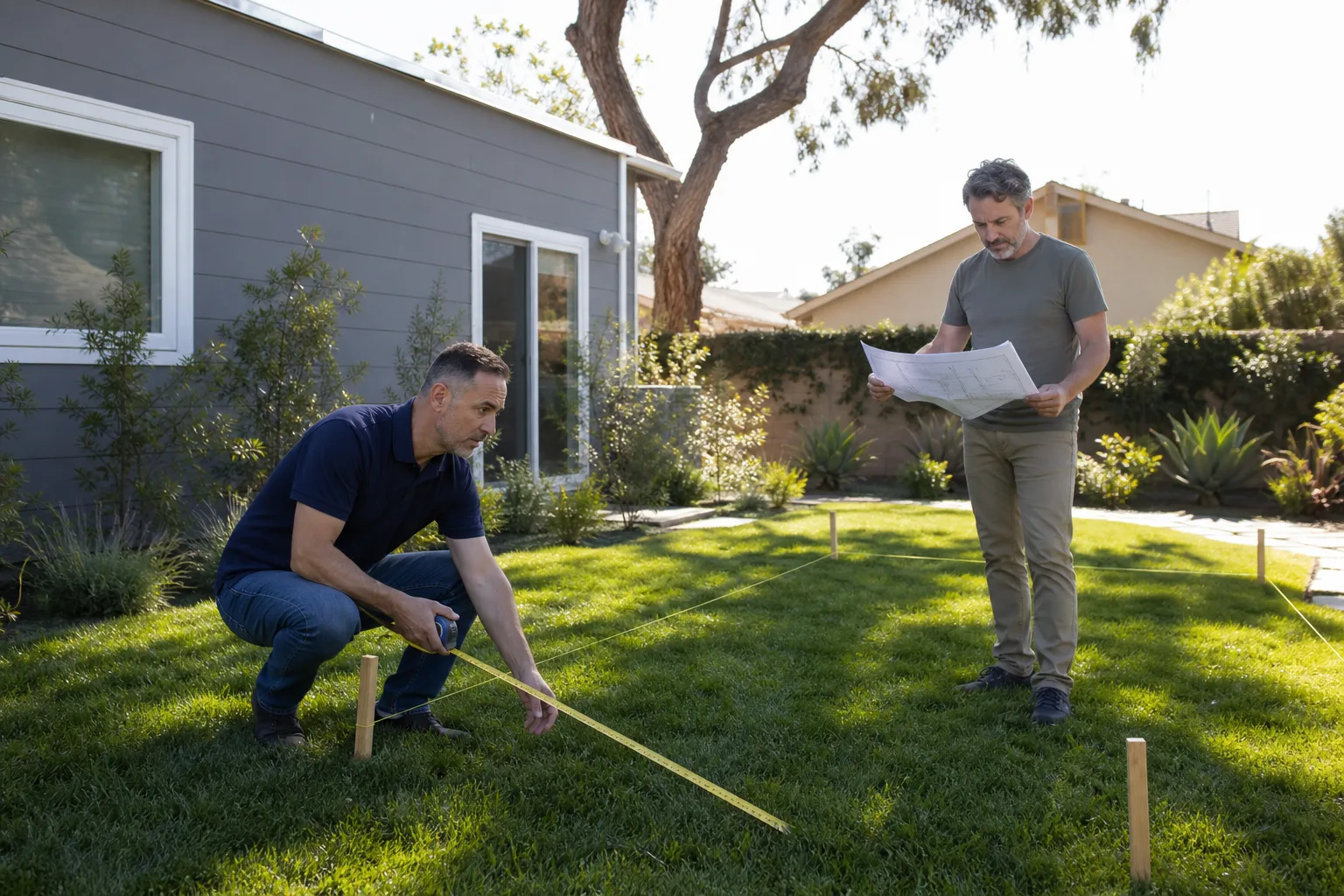
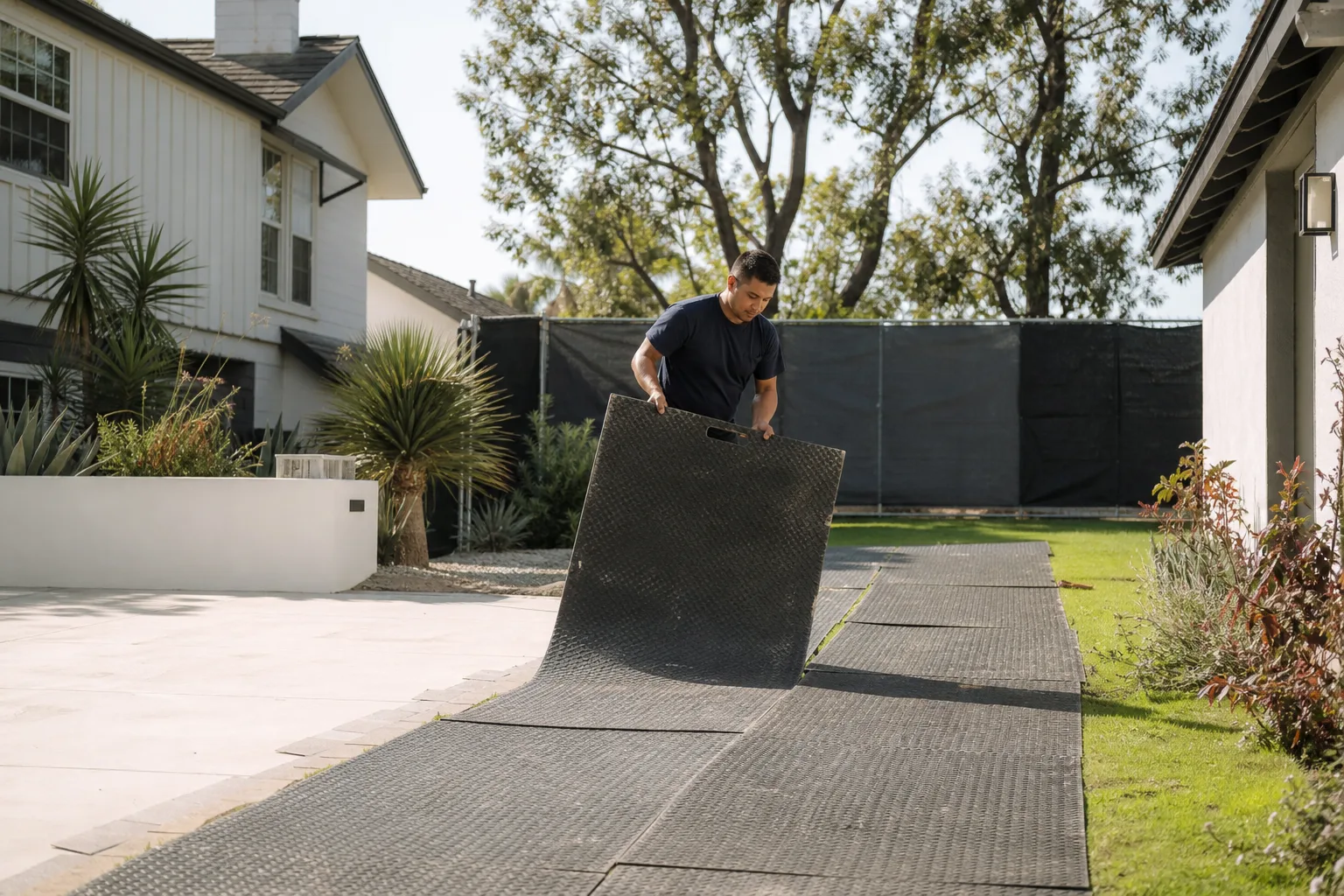
Get the shipped module dimensions and weight. Then measure your street. Driveway approach, turning radius, overhead power lines, and gate width all decide whether a wide module arrives cleanly or triggers a crane and a street closure. Panelized and kit systems exist for exactly this reason.
- Strong on all three: brands that publish a 2B envelope, offer site engineering support, and ship both modular and panelized options.
- Strong on heat, weak on delivery: large single-module systems that need wide access.
- Strong on delivery, thin on heat: kit-style products where the envelope depends on the local build-out.
Brand by Brand: How the Eight Names Compare
Here’s the honest shape of the field, with the caveat that every brand updates its catalog and specs, so verify current numbers directly before you commit.
- Abodu. Design-forward, strong finish quality, well-suited to buyers who want a finished product rather than a shell. Ask specifically about the 2B thermal package and the site engineering path for Clark County.
- Cover. Panelized approach with a refined exterior. The panel format often eases delivery on tight Enterprise lots, but verify the envelope’s warm-climate spec since the design heritage leans coastal.
- Dvele. Engineered envelope and a strong energy story. Usually the best starting point for buyers who care most about 110°F performance.
- Mighty Buildings. Advanced materials and factory precision. Confirm availability and delivery logistics for your address before you fall for the catalog.
- Boxabl. Compact, transportable, efficient form factor. Good for tight access; confirm the envelope performance suited to sustained desert heat and how it pairs with cladding upgrades.
- Plant Prefab. Flexible, engineering-heavy production. Strong candidate when your lot geometry or design needs are unusual.
- Tuff Shed. Familiar, accessible, and a reasonable entry point for simpler structures. Compare its envelope and finish options against a full ADU system before deciding.
- James Hardie. Not an ADU brand but the cladding layer many of these systems use, and worth treating as a spec decision of its own (more on that below).
Where a brand’s envelope falls short, a partner who builds with all of them can tell you what upgrade closes the gap. The Home Addition Contractor in Enterprise page covers how that works alongside an ADU build.
Lead Times to a Delivery-Ready Lot in Enterprise in 2026
Nobody can promise you a date, and anyone who does is selling. What you can do is map the honest sequence, because the biggest lead-time mistakes happen when buyers assume the factory clock includes the county clock.
- Design and brand selection: weeks, not days. The three-question framework below shortens this.
- Factory production slot: varies by brand and current backlog. Ask for a realistic window in writing, and ask what happens if it slips.
- Foundation and site work: runs in parallel when the plan allows. This is where a site-specific engineering report keeps things moving.
- Clark County plan check: the stage buyers underestimate most. Permit timelines depend on the jurisdiction and your specific plan, so treat any single number with skepticism and build in buffer.
- Delivery and set: driven by access and crane availability.
- Utilities and final inspection: the last mile before you can use the unit.
In our experience across Enterprise projects, the factory is rarely the bottleneck. Plan check and site work are. The brands that get you to a delivery-ready lot fastest are the ones whose engineering package matches what the county expects the first time it’s submitted.
Cladding That Survives Enterprise Summers
Cladding does two jobs in Enterprise: it keeps weather out and it takes the sun so the envelope doesn’t have to. James Hardie fiber cement is the standard we reach for on desert projects, and pairing it with a well-specified ADU brand is a genuine upgrade, not a cosmetic one. Fiber cement holds up against ultraviolet exposure and heat cycling in a way that some alternative exteriors don’t.
Which brands pair cleanly with James Hardie? Planter Prefab, Abodu, and Cover-based builds commonly allow a cladding specification that installs fiber cement without reengineering the exterior assembly, though the exact option depends on the product line and your plan. Ask two questions before you upgrade:
- Does the brand support a fiber cement exterior in its engineering package, or does it void the wall assembly warranty?
- What does the upgrade add to base price? Expect it to move the number, and get the delta in writing rather than in a verbal aside.
Free estimates make this comparison cheap to run. A written line-item quote should show the cladding upgrade as its own line so you can see exactly what you’re paying for.
The Three-Question Framework to Get From Eight Brands to Two
Before you call a single sales rep, answer these three questions honestly. They cut the list faster than any brochure.
- What can your lot physically accept? Measure your street access, driveway approach, gate width, and overhead clearance. If a wide module can’t reach the site cleanly, wide-module brands fall off the list and panelized or kit systems move up. Lot size also sets your setback and placement options, and setback (the required distance from the unit to your property lines) is a planning decision that can reshape the whole plan.
- Who’s going to use it? Family housing, a rental, or a workspace each change the priority. A rental wants durable finishes and a layout that rents easily. A workspace wants quiet, insulation, and daylight. Family housing wants accessibility and storage. Be honest now, not after the plan is drawn.
- What’s your ceiling, all in? Not the base price. The all-in number including site work, foundation, engineering, permit fees, cladding upgrades, and utility connections. Set the ceiling before you fall for a floor plan, then compare every brand against it.
Answer those three and you’ll typically land on two brands that fit your lot, your occupant, and your budget. That’s the point where a serious comparison starts. If you want to line up against an addition instead, the Room Addition Contractor in Enterprise guide is a useful cross-check.
Common Mistakes to Avoid
- Comparing base prices across brands. Base price excludes site work, foundation, engineering, cladding, and utilities. Normalize every quote to an all-in number or you’re comparing seven different things.
- Skipping the 2B question. Assuming “energy efficient” means ready for desert heat is the costliest mistake in Enterprise. Get R-values and glazing specs in writing.
- Ignoring delivery geometry. A beautiful module that can’t turn your street corner becomes a crane bill and a delay. Measure access before you choose a brand.
- Treating the factory window as the whole timeline. Plan check and site work drive the schedule far more than production does. Build buffer into the Clark County stage.
- Forgetting setback and placement. Setback rules decide where the unit can sit, which changes the plan, which changes the brand. Resolve placement early.
- Upgrading cladding without a written line item. A verbal “we’ll throw in better siding” vanishes. Get the upgrade on paper with a price next to it.
- Skipping the written price. A verbal estimate that shifts mid-project is the classic failure. Insist on a written price before any work starts.
When to Call a Professional
Call a professional before you sign a factory deposit, not after. If you’re comparing three brands and can’t get a straight answer on the 2B envelope, that’s the moment to bring in someone who builds with all of them. If your lot access is unclear, if your setback has you second-guessing placement, or if you need a site-specific engineering report for Clark County, a pro sorts those questions in a single conversation. Benson ADU Builders Enterprise offers free estimates in Enterprise, gives you a written price before any work starts, and backs the work with a 365-Day Done Right Promise. Call (844) 980-0541.
Frequently Asked Questions
Dvele is the brand we most often point heat-conscious Enterprise buyers toward because its engineered envelope handles sustained high heat, followed by brands that offer a 2B-ready package as standard rather than an upgrade. Confirm the actual R-values and glazing specs in writing for the specific product line you’re considering. Call (844) 980-0541 for a free estimate on your project.
Climate zone 2B is the hot-dry classification under the International Energy Conservation Code, and it tells you how much insulation and heat control your ADU needs to perform in Enterprise. A brand built for a milder or more humid climate will generally require an upgraded envelope to meet it. Ask every brand to confirm a 2B spec in writing; a free estimate makes that comparison easy.
The factory production slot is one part, but plan check and site work usually drive the timeline more than production does. Realistic total timelines vary by brand backlog and by the county review process for your specific plan, so build buffer into the schedule. Call (844) 980-0541 and we’ll walk through the sequence for your lot.
Not always. Panelized systems and smaller modules often avoid a crane, while wide single-module products may need one depending on your street access and overhead clearance. Measure your approach before choosing a brand. A free estimate includes a look at your access geometry.
Plant Prefab, Abodu, and Cover-based builds commonly support a fiber cement exterior, though the exact option depends on the product line and plan. Confirm the upgrade doesn’t affect the wall assembly warranty and get the price delta as its own written line item. Call (844) 980-0541 for help pricing it.
It shouldn’t. Every Benson ADU Builders Enterprise project comes with a written price before any work starts, so there are no surprises at the door and no scope creep billed after the fact. That’s part of The Relay Visibility Guarantee. Call (844) 980-0541 to schedule your free estimate.
The Bottom Line
Picking an ADU brand for an Enterprise lot is an engineering decision first and an aesthetic one second. Judge every brand on thermal performance at 110°F+, structural rating for Clark County, and whether the module can physically reach your street. Ask for the 2B envelope in writing, map the full timeline including plan check, and run every quote through the three-question framework before you call a rep. Get a written price before any work starts and a guarantee that lasts 365 days, and the brand decision gets a lot less risky. Ready to run the numbers on your lot? Visit the Benson ADU Builders Enterprise home or call (844) 980-0541 for a free estimate on your ADU project.
Written by the team at Benson ADU Builders Enterprise.